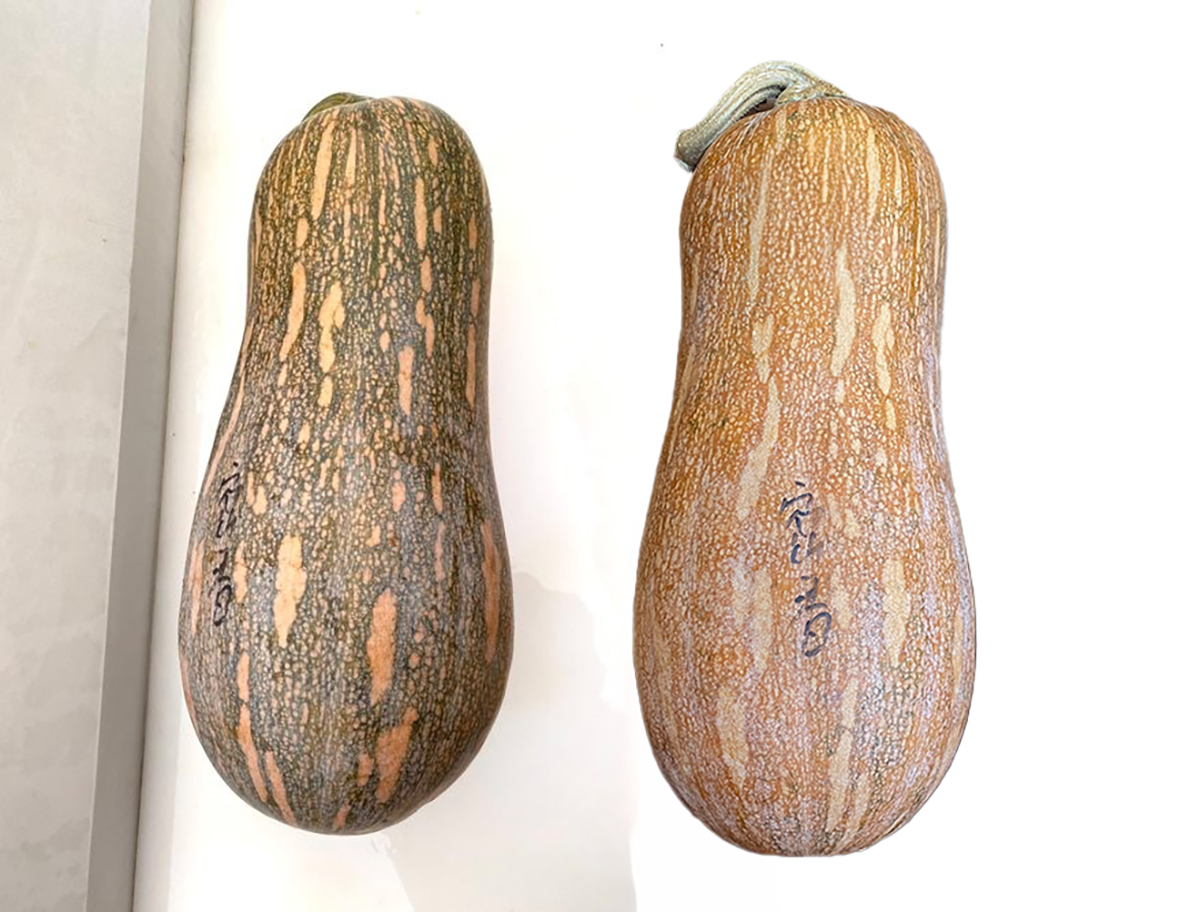
Cultivation Guide for Miben Pumpkin
(This version is intended for the Chaoshan region of China. For other regions, please conduct small-scale trials based on local climate conditions before determining the optimal sowing period for large-scale cultivation to ensure good yields.)

Preference Temperature
20-34℃
Dimension and Weight
The single fruit weight (单瓜重) is about 3.5kg; with sufficient water and fertilizer management (水肥充足管理得当), it can exceed (可超过) 4kg.
Harvest Days
75
Features and Traits
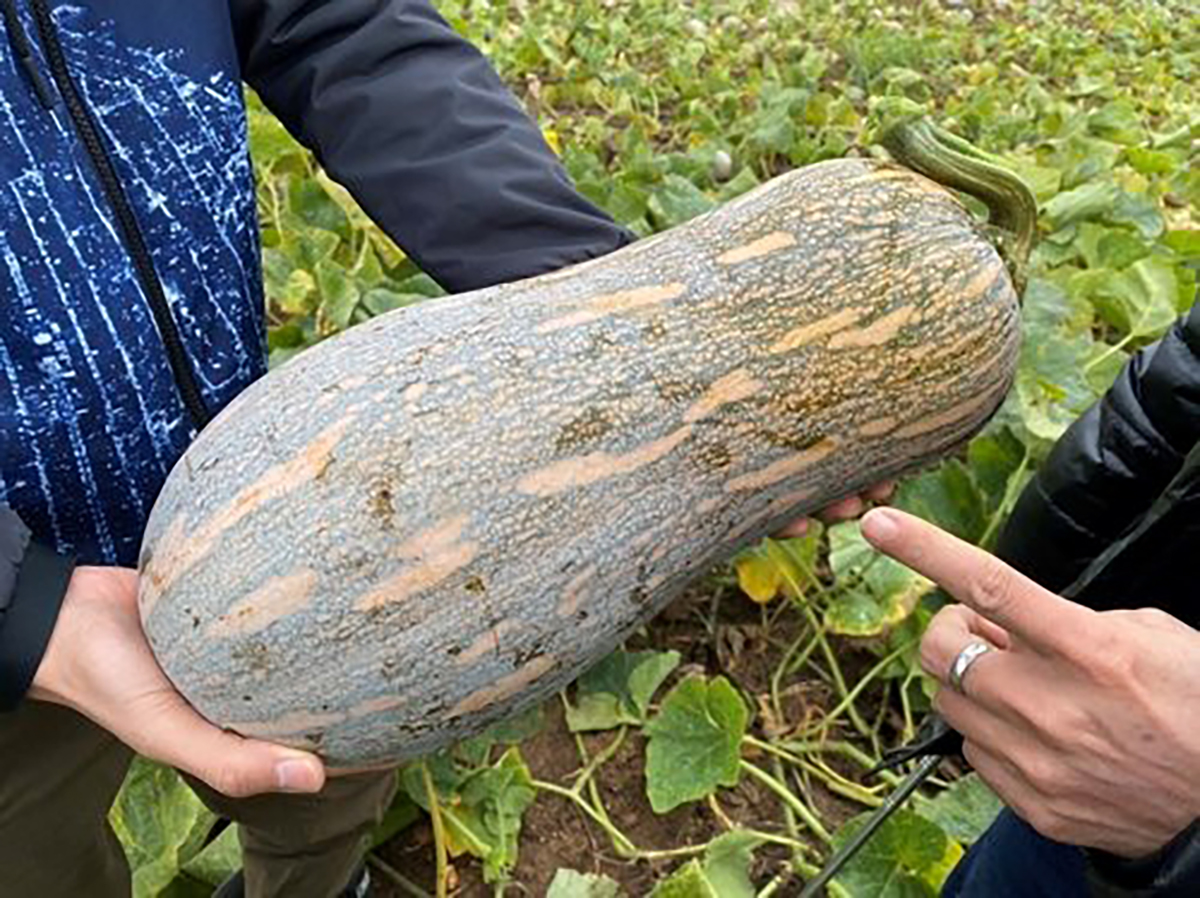
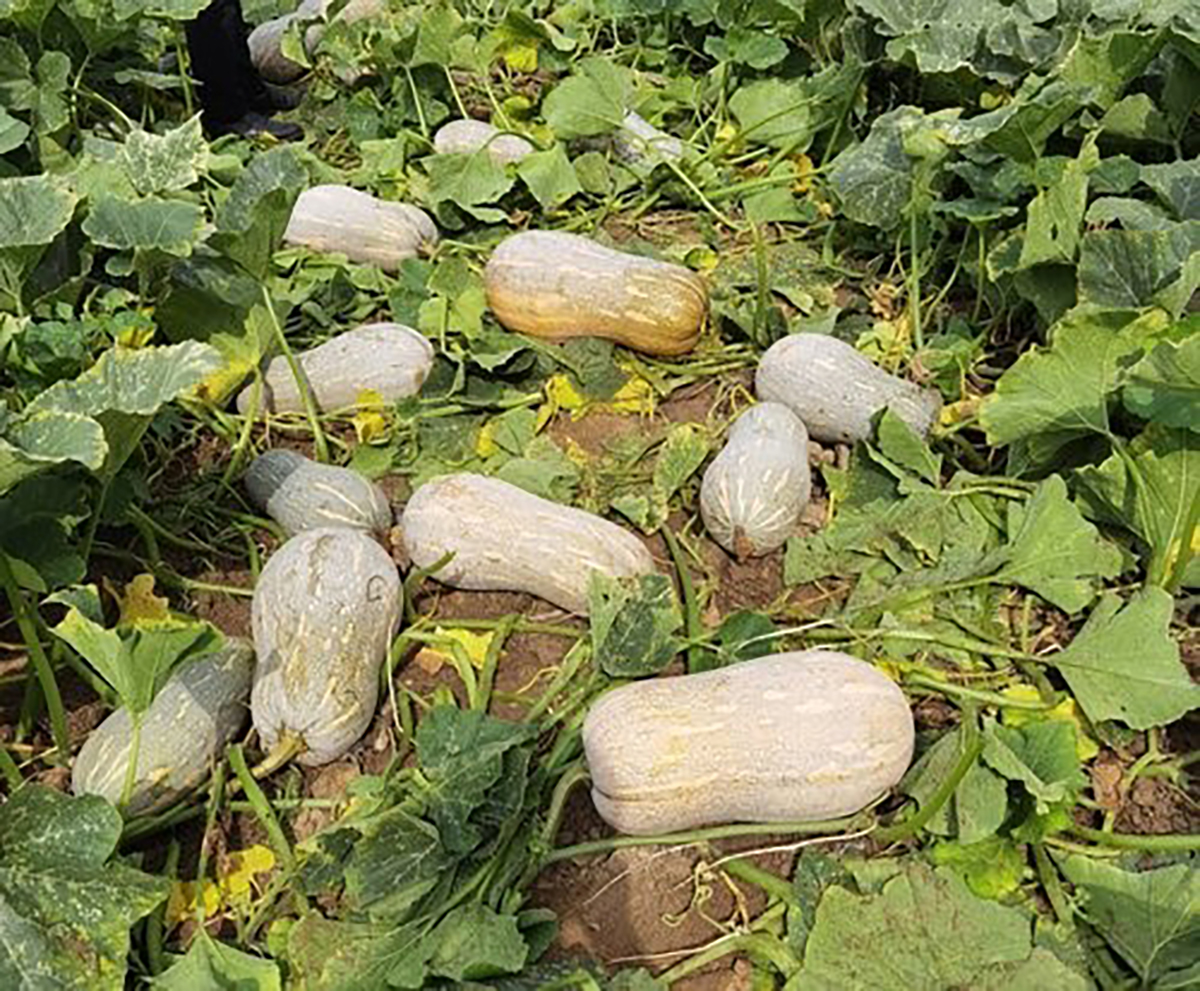
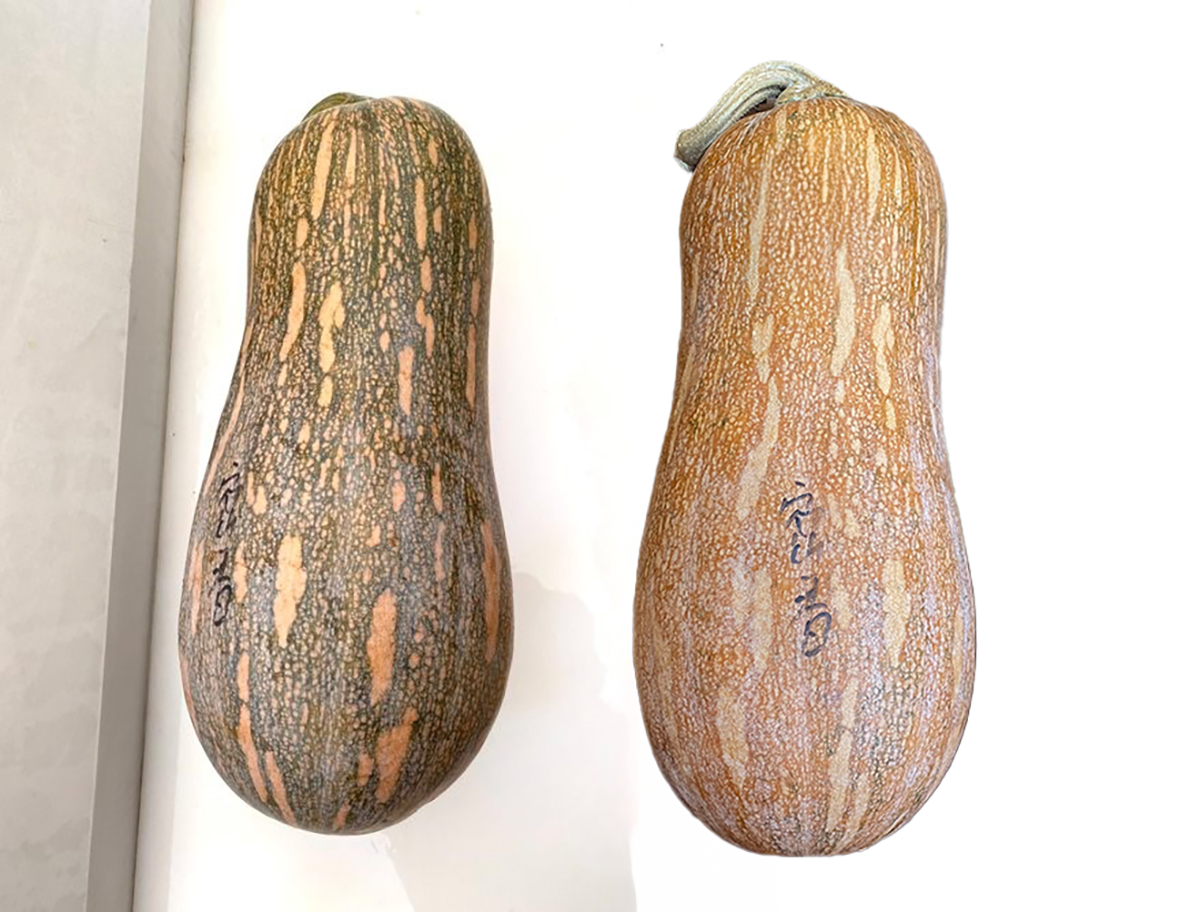
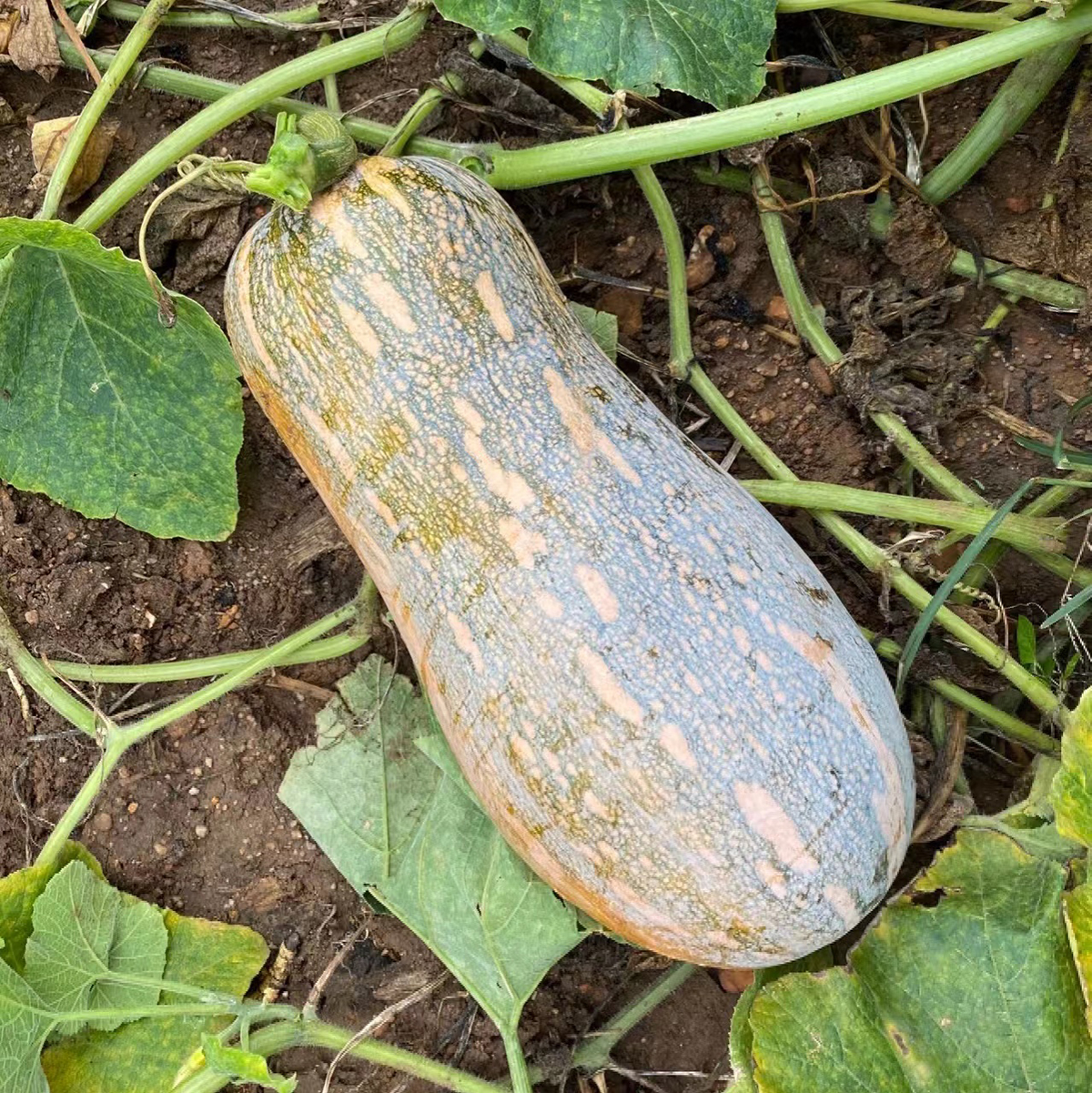
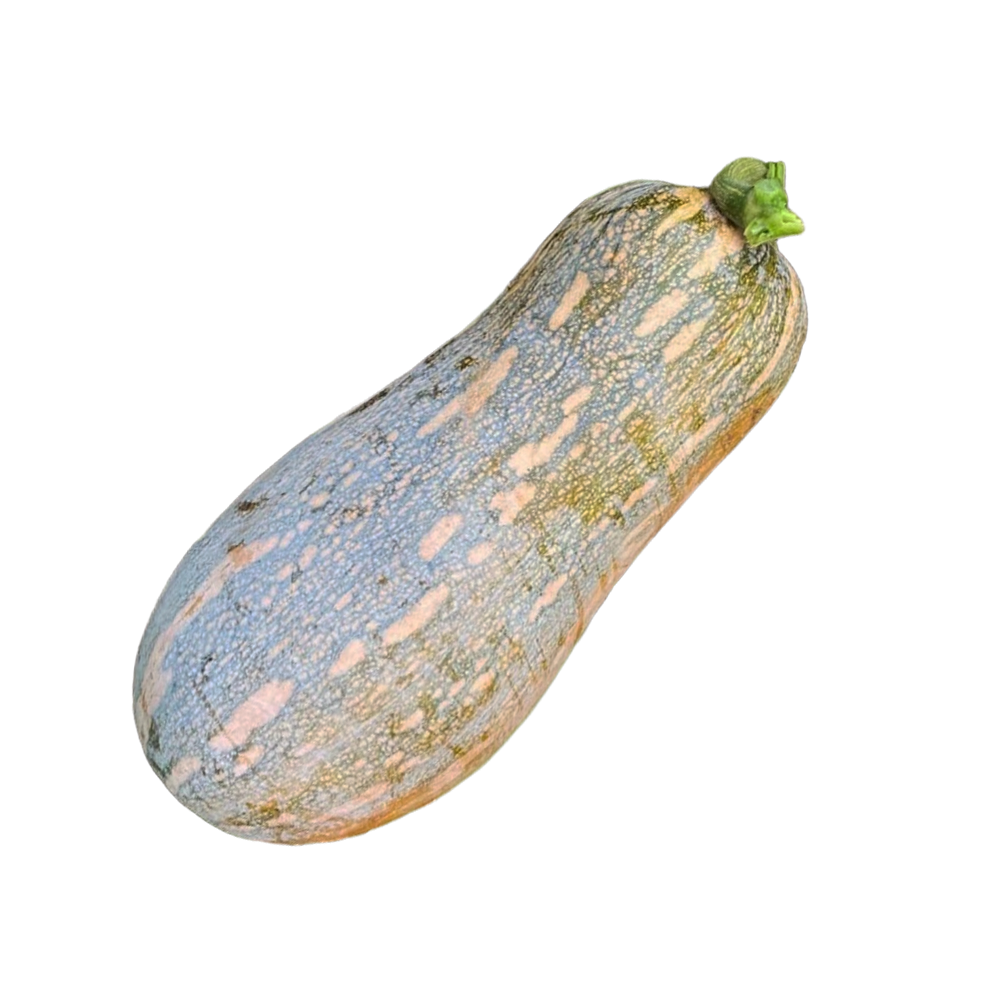
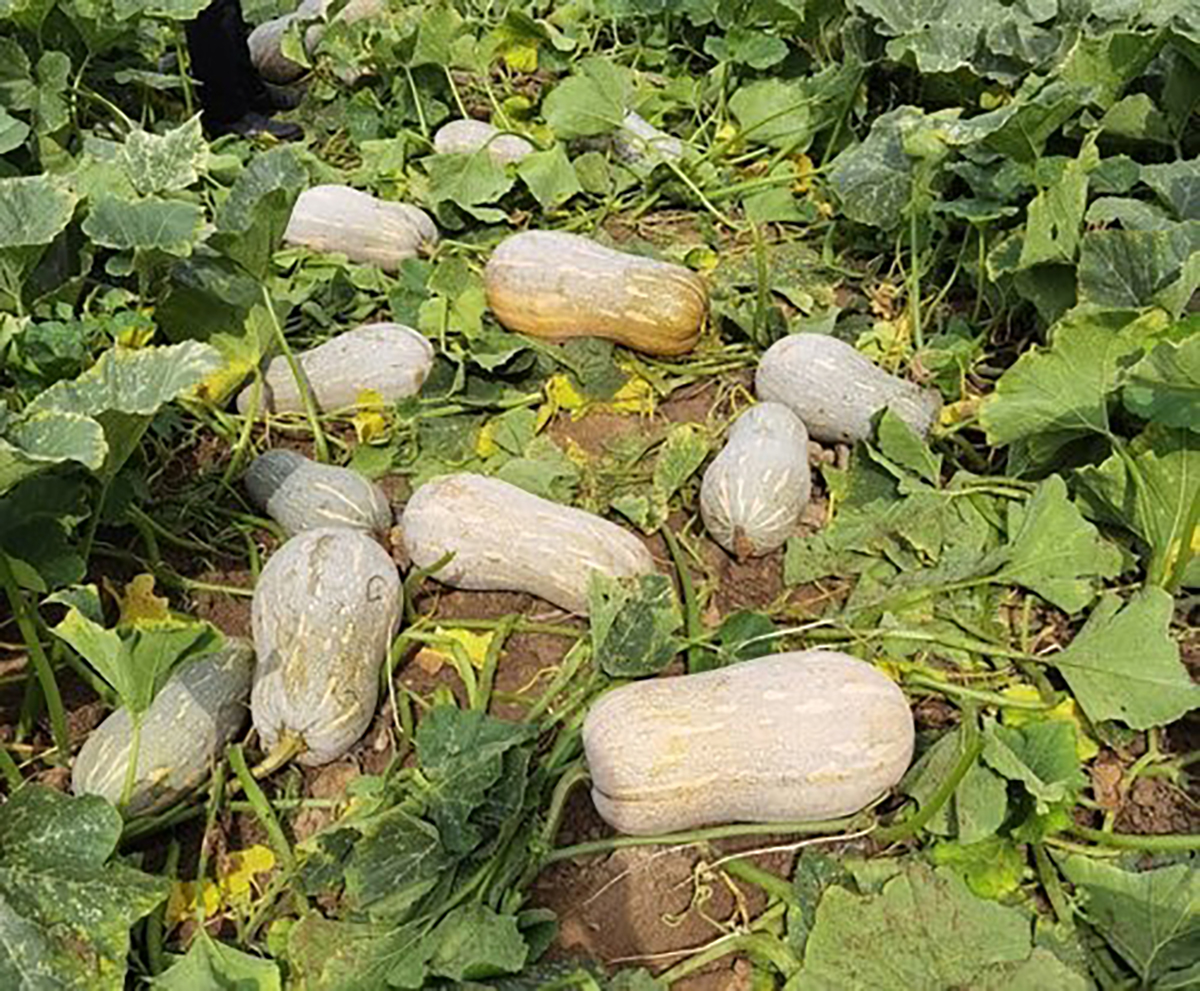
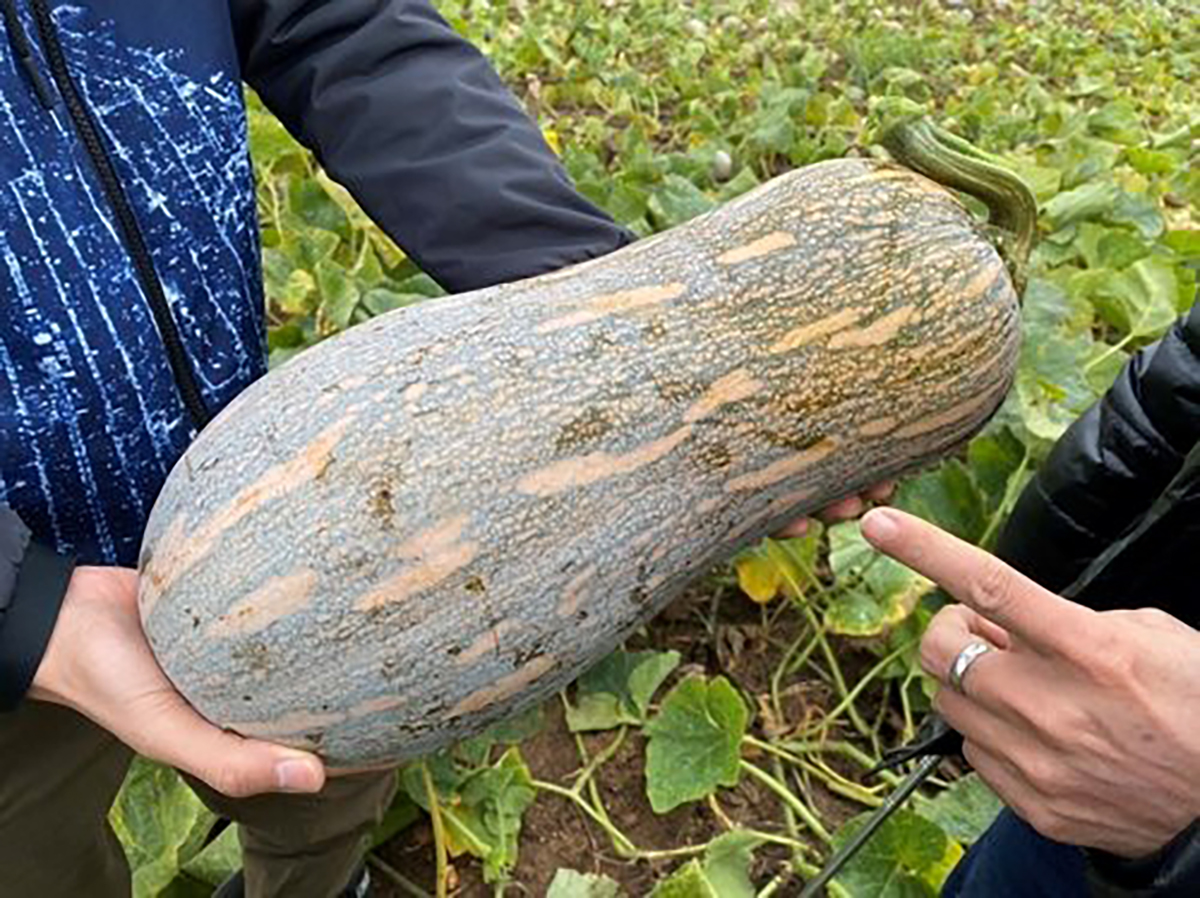
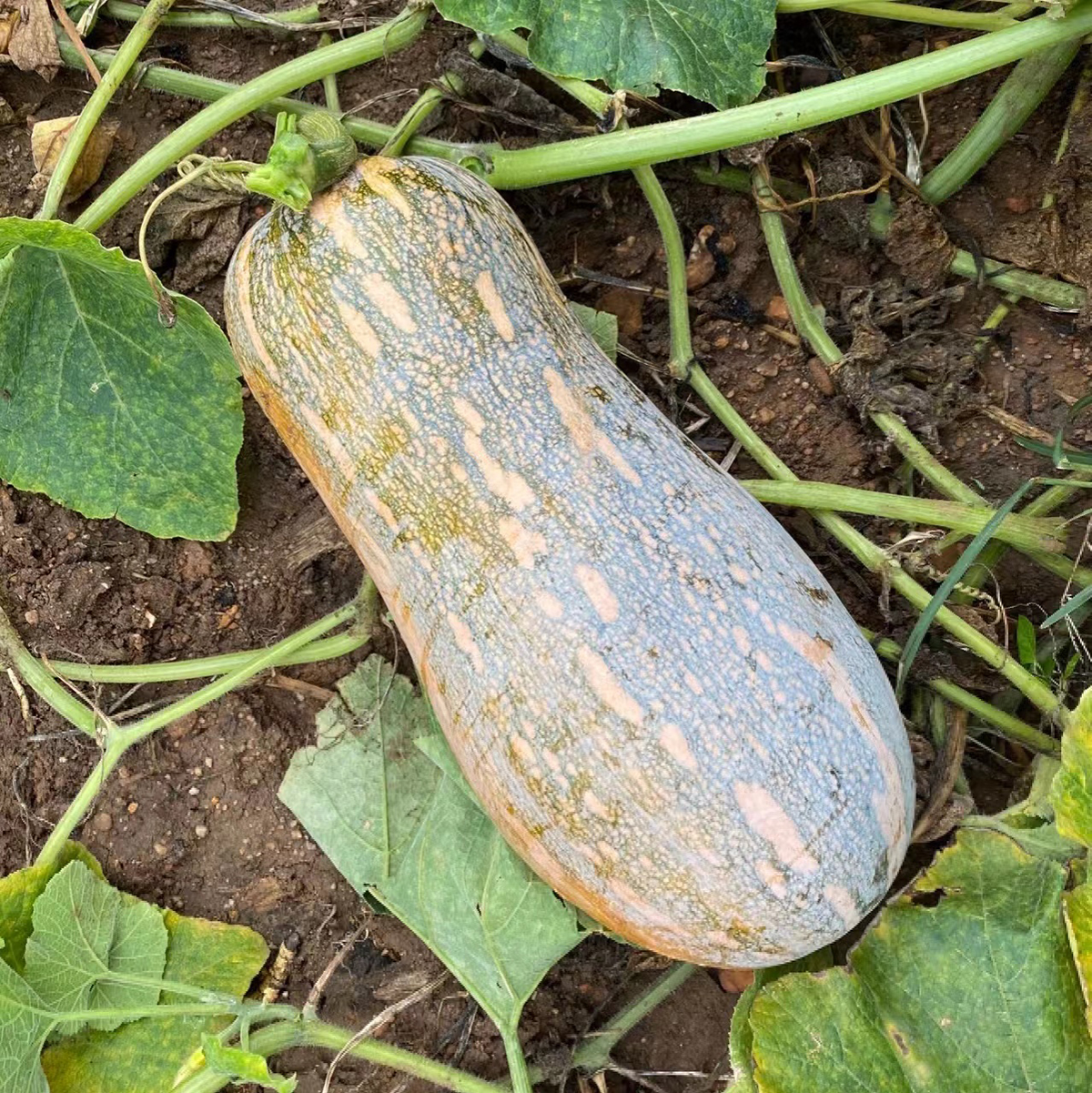
Early to mid-maturing, harvestable approximately 75 days after transplanting, with an average yield of 3,300 kg per mu, reaching up to 4,500 kg per mu in high-yield fields. Resistant to powdery mildew and anthracnose, moderately resistant to viral diseases, and widely adaptable. The plant exhibits vine growth with moderate branching, vigorous growth, medium-sized leaves with a blunt-lobed palm shape, green color, and leaf veins with a few light white speckles. It is not sensitive to sunlight. The first male flower appears at nodes 10-11, followed by female flowers every 2-3 nodes, showing strong continuous fruiting ability. The fruit matures 39 days after flowering, taking a club shape (or long pear shape) with a swollen tip and small internal cavity. When fully mature, the rind is mainly orange-red with a few scattered white speckles, has distinct ridges, and a moderate waxy coating. The fruit is about 44 cm long, with a maximum transverse diameter of about 18 cm and flesh thickness of about 4 cm. Single fruit weight ranges from 4-5 kg. The flesh is orange-yellow when fully mature, with a fine texture, a sweet and delicate taste, low moisture content, and good transport and storage resistance. Suitable cultivation temperature is 20-34°C, requiring sufficient base fertilizer and timely topdressing. It can be grown on the ground or on trellises. For ground cultivation, about 450 plants per mu should be planted. When the vines reach 6-7 nodes, topping should be carried out, retaining 3-4 strong lateral vines while removing excess ones. Proper vine arrangement should be performed to ensure reasonable distribution. For trellis cultivation, denser planting is allowed, adopting single-vine pruning, guiding vines onto the trellis, and removing lateral vines. In rainy weather, artificial pollination should be conducted to improve fruit-setting rate and yield. Timely control of thrips, aphids, whiteflies, and fruit flies is necessary.